Bridging the gap between theoretical research and industrial application through High-Performance Computing, AI/ML, and Mechanical Engineering innovation.

I am a computational scientist with a dual focus: advancing applied fluid dynamics and developing novel artificial intelligence approaches for automation.
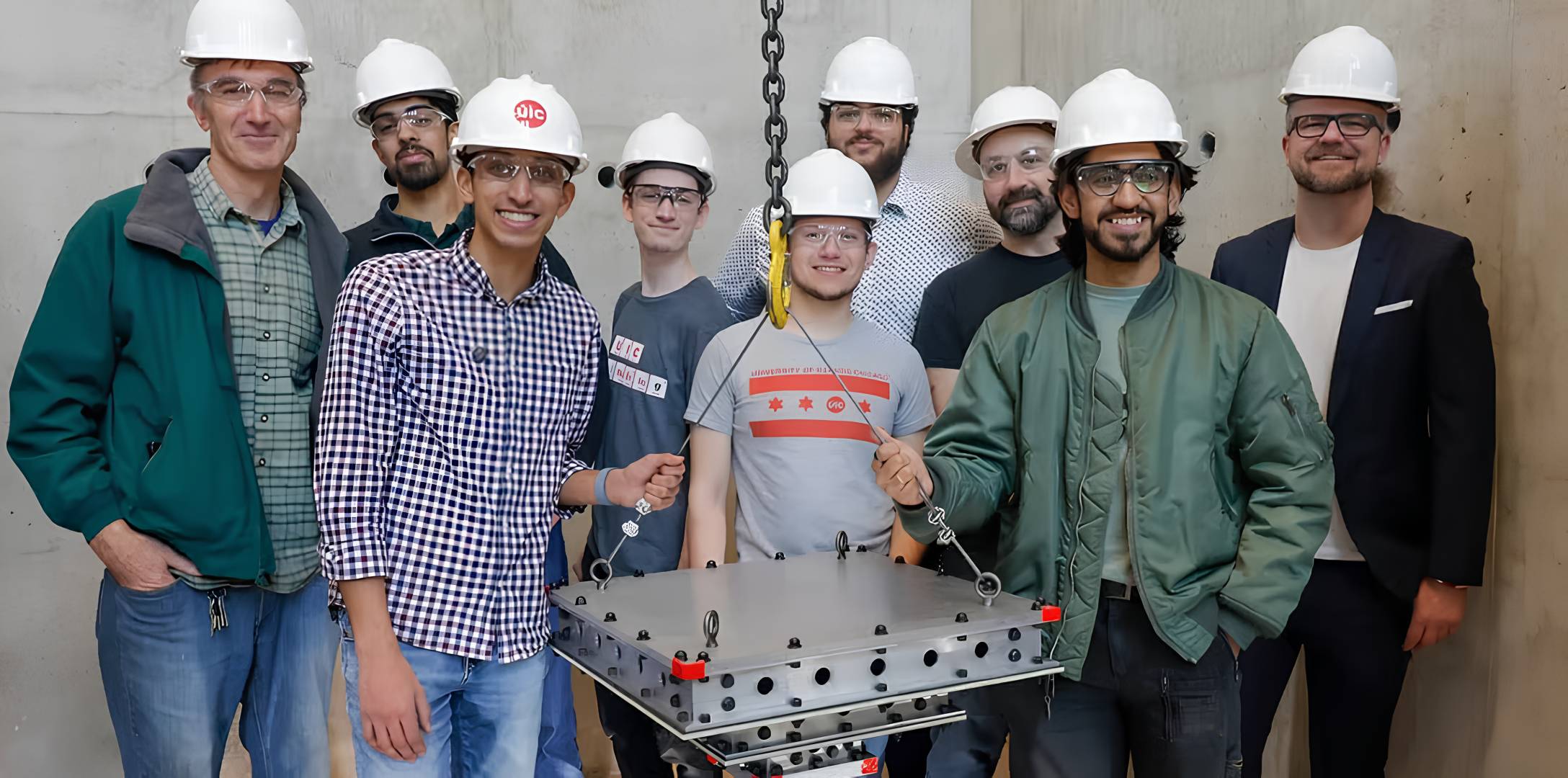
My research leverages High-Performance Computing to accelerate Computational Fluid Dynamics (CFD) simulations, while my applied work involves developing "Machine Learning and AI Models" to automate complex tasks, ranging from Computer Vision in robotics, to Agentic Workflows for engineering applications. My work in Education emphasizes applying engineering through real-world hands-on experiences, strongly tied to Industry Partnerships and team-based design problems.
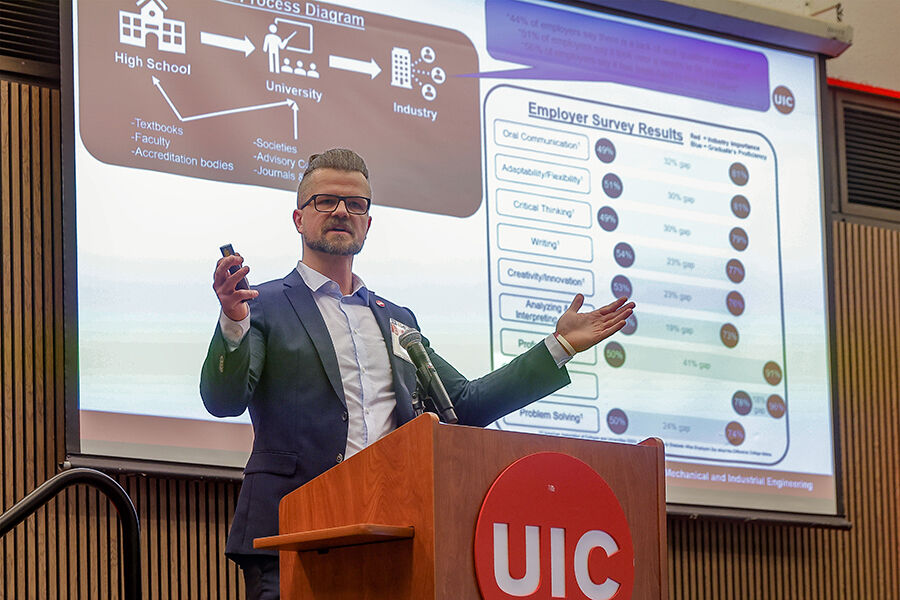
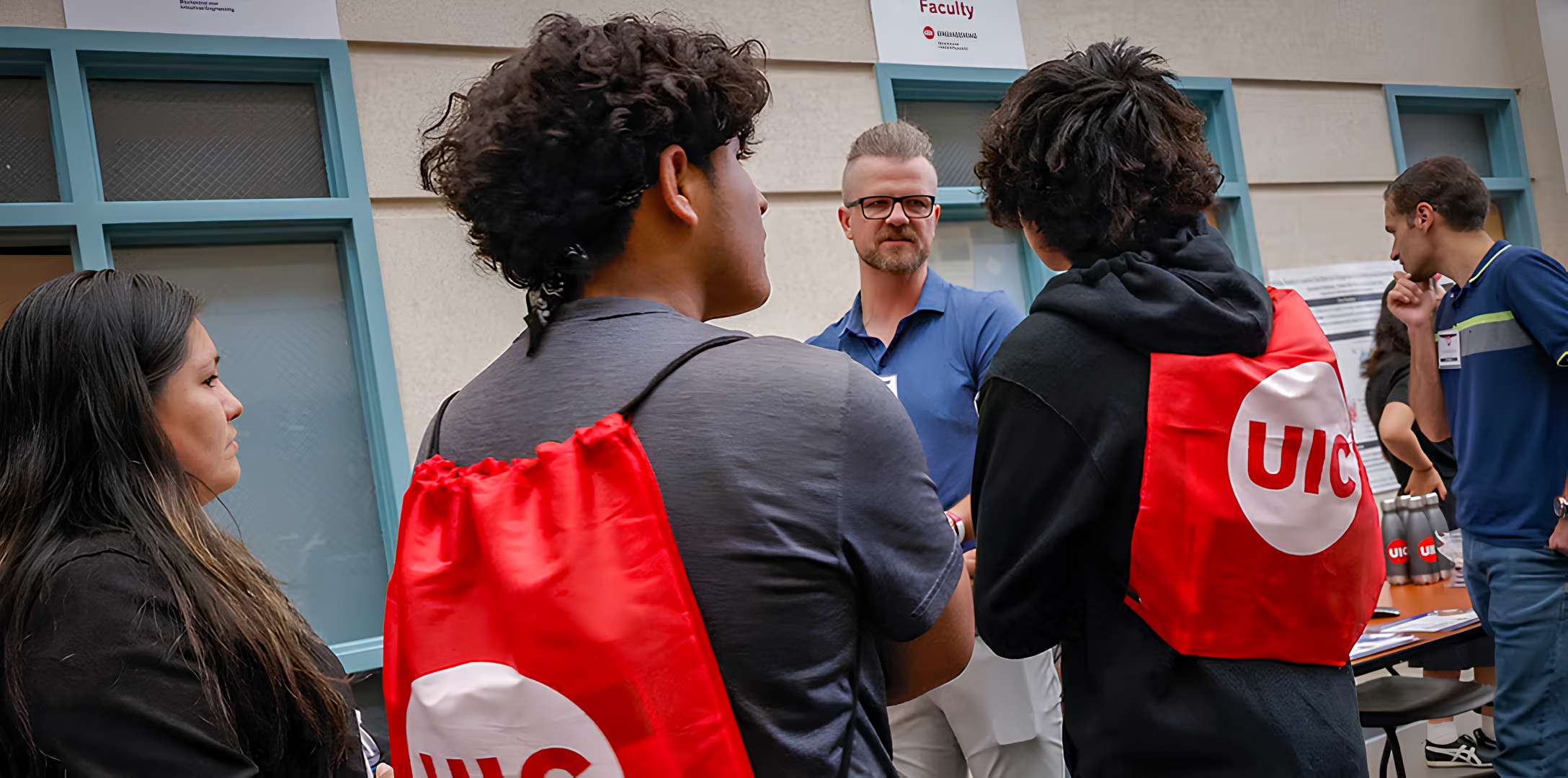
Clinical Associate Professor Jonathan Komperda presented "The intersection of industry and the classroom" at SparkTalks. He explained how hands-on project-based experience significantly improves student job placement, especially when combined with classroom engagement and industry mentorship programs.
Read more
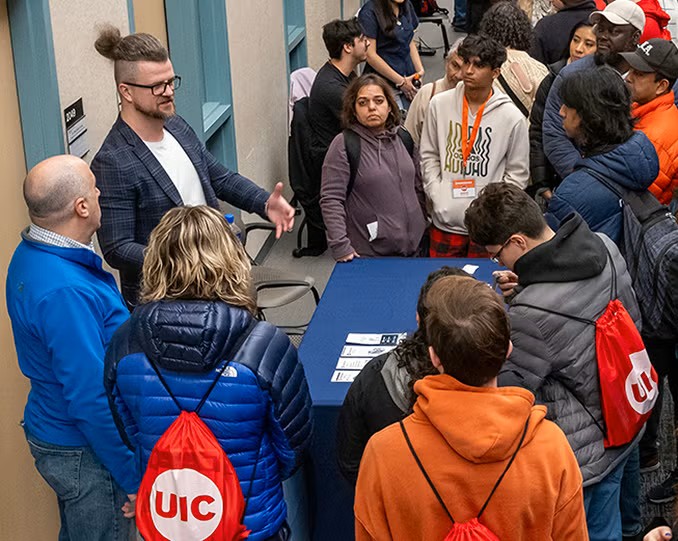
Jon Komperda has been named a recipient of UIC’s 2025-2026 Teaching Recognition Program (TRP) Award. The award recognizes faculty who have demonstrated teaching excellence over the past three academic years.
Read more
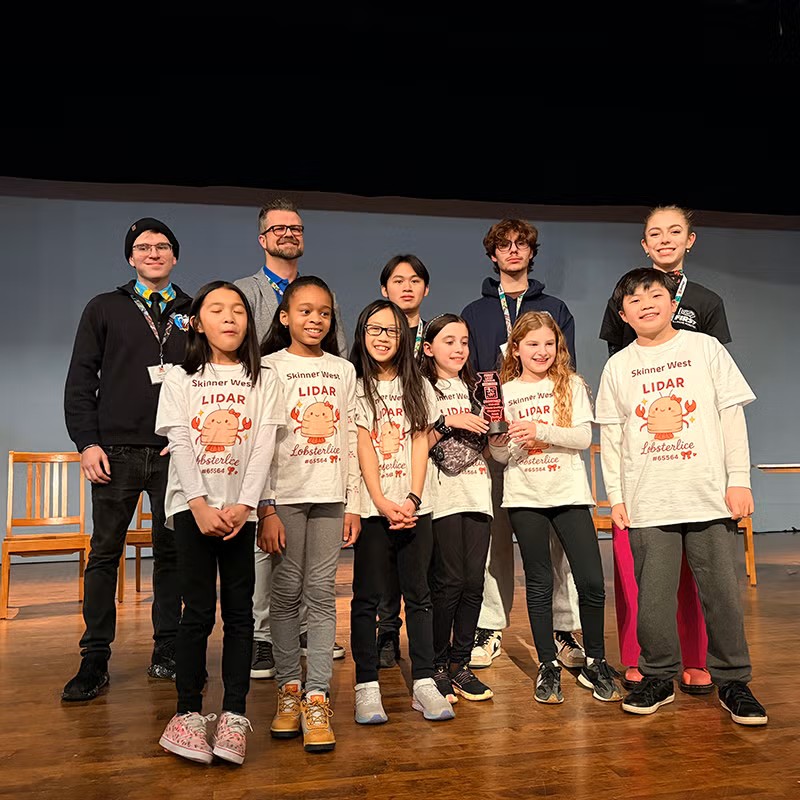
UIC engineering faculty and students volunteered at the First Lego League robotics qualifier. Prof. Komperda served as lead design judge, critiquing student designs and mentoring teams on technical improvements.
Read moreOptimizing complex simulations and data processing workflows using parallel computing architectures.
Advanced CFD modeling for aerodynamics, thermal management, and fluid system optimization.
Developing predictive models, neural networks, and data-driven decision support systems.
Implementing deep learning vision systems for quality control, robotics guidance, and automation.
Designing efficient production lines and robotic integration for modern smart factories.
Translating complex technical concepts into accessible learning experiences for future engineers.
This paper focuses on visualization techniques for large-scale ensemble simulations, specifically supporting the exploration of viscous fingers in complex flow scenarios.
Introduces a deep learning methodology to automatically identify shock locations in complex turbulent combustion data, improving analysis speed and accuracy.
Presents a novel hybrid numerical method combining spectral element methods with filtered mass density functions for simulating turbulent reacting flows efficiently.
A clinical study utilizing CBCT and CFD to analyze airway characteristics, aiding in the diagnosis and understanding of obstructive sleep apnea.
University of Illinois Chicago
Recognized for groundbreaking contributions to education. The Office of the Provost and Vice Chancellor for Academic Affairs gives this award to faculty members who have demonstrated teaching excellence over the past three academic years.
UIC College of Engineering
The award is named for the late Dr. Harold A. Simon, a UIC professor of mechanical engineering, renowned for his teaching excellence. It is the highest teaching distinction in the college and presented annually to one College of Engineering faculty member who embodies the distinguished service, dedication, and teaching excellence that defined the late Simon’s career at UIC.
University of Illinois Chicago
Funding awarded for the project "Autonomous Optimization of Manufacturing Processes using Reinforcement Learning".
UIC College of Engineering
Recognized for innovative teaching methods in computational mechanics and numerical analysis courses.
For research collaborations, academic partnerships, or educational opportunities:
For professional consulting services in engineering and technology: